February 27, 2026 marked a huge milestone for one of the most beloved franchises in the world — Pokémon. What began in Japan in 1996 with Pokémon Red and Green quickly exploded into a cultural phenomenon that spans video games, TV shows, movies, toys, and, of course, trading cards. (PSA Card)
As part of its 30th anniversary celebration, PSA (Professional Sports Authenticator) released a fascinating retrospective: the Top 10 Most‑Graded Pokémon Cards of Every Decade. This look back not only celebrates nostalgia but also reveals the evolution of collecting culture over three decades — and how Pokémon trading cards have become a global obsession.
The 1990s — Pokémon Mania Begins
The original “Poké Mania” captivated a generation of kids and collectors alike. In the late ’90s, trading cards flew off the shelves as everyone tried to “catch ’em all.” The most graded cards from this era were largely Japanese promo cards, featuring beloved holographic staples such as Charizard, Blastoise, Venusaur, and Snorlax. These cards weren’t just collectibles—they were symbols of a growing cultural phenomenon. (PSA Card)
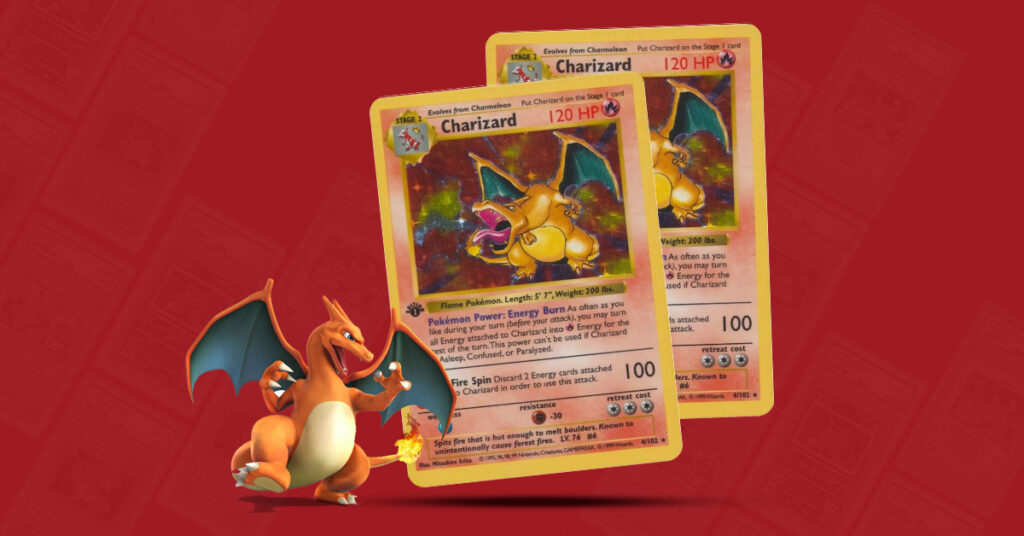
Interestingly, the Base Set Charizard arguably the most iconic Pokémon card did not crack the top 10 for the 1990s. Many original owners were hesitant to send such prized possessions off for grading, and the hobby hadn’t yet reached the scale of today’s global PSA-driven market.
This decade also marked the beginning of the secondary market for cards. Collectors were learning early lessons about rarity, condition, and the value of limited-edition promos. Even at the time, certain holographic cards were already fetching impressive sums among enthusiasts.
The 2000s — Gen II and New Stars Emerge
As Pokémon expanded in the 2000s, so did its card universe. The top-graded cards from this decade still leaned heavily on Japanese releases but also showcased Johto region stars like Feraligatr, Meganium, Croconaw, and Typhlosion. The popularity of these cards reflected a shift in collectors’ tastes, moving beyond nostalgia for the first-generation Pokémon to embracing the broader world. (PSA Card)
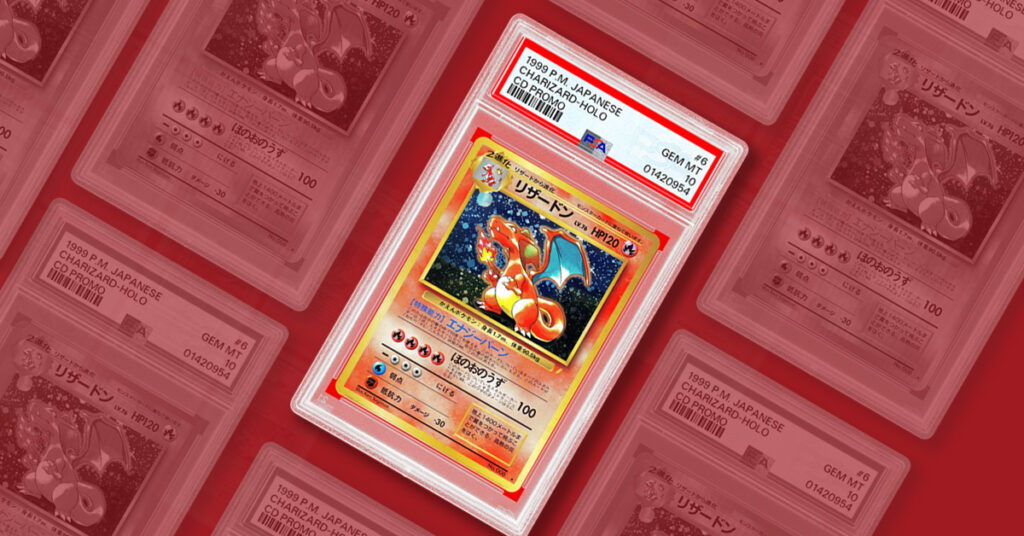
Collectors began to recognize the importance of grading as a way to protect investment value. Cards with pristine edges, perfect centering, and no surface wear started commanding premiums, and PSA grades became a currency in the growing Pokémon marketplace.
This decade also highlighted the international appeal of Pokémon. While the cards remained primarily Japanese in origin, the hobby began taking root in North America and Europe, setting the stage for the mass grading boom of the next decades.
The 2010s — Classic Cards Rise Back Up
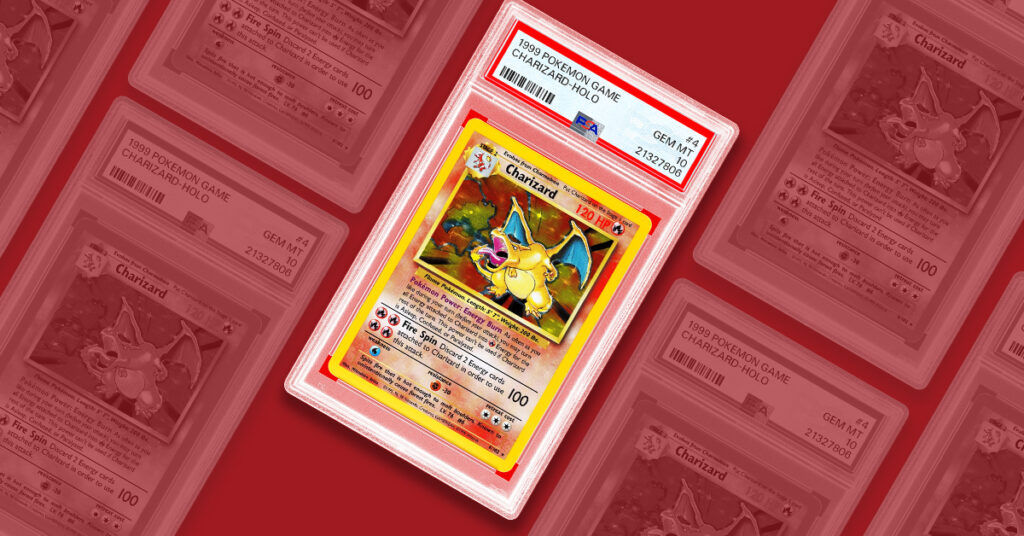
By the 2010s, the hobby had evolved dramatically. Classic Pokémon cards were making a comeback, and the 1999 Base Set Charizard finally soared to the top in grading volume. Tens of thousands of submissions reflected both nostalgia and the realization that older cards could now represent serious financial value. (PSA Card)
The 2010s also saw the rise of Full Art and EX cards, which became highly desirable among collectors. The release of XY Evolutions, a set designed to celebrate the original Base Set, further fueled interest in reprints and vintage-style cards. Meanwhile, Pokémon GO, launched in 2016, reintroduced the franchise to a massive audience, spurring new collectors to dive into trading cards. (PSA Card)
The 2020s — A New Era of Collecting
In the current decade, the Pokémon hobby has reached unprecedented levels. Grading volume has exploded, with modern promo cards often surpassing classic cards in submissions. Top cards of the 2020s include:
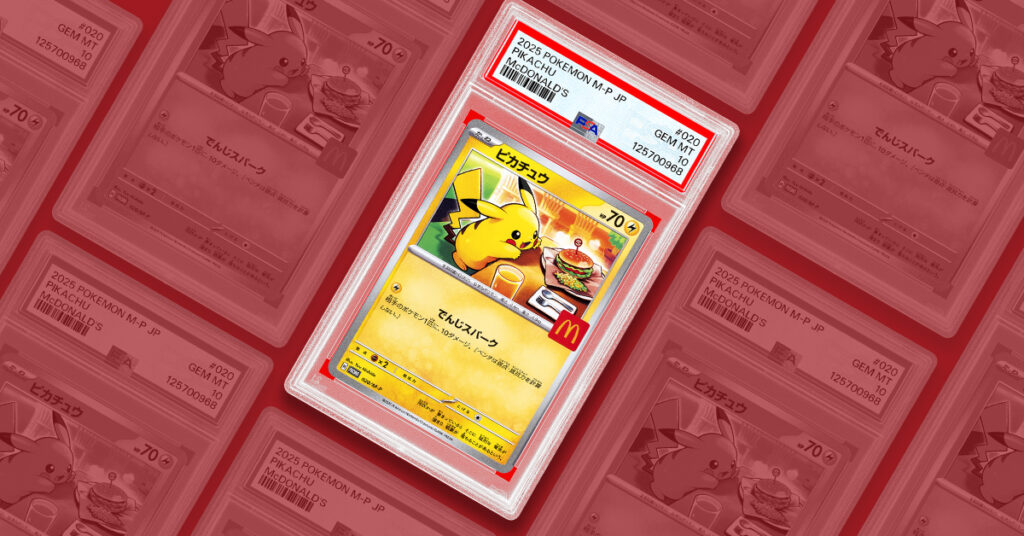
- Pikachu McDonald’s promo (2025) — over 222,000 submissions
- ‘Van Gogh’ Pikachu promo (2023) — more than 101,000 submissions
- Charizard EX special illustration — roughly 86,000 submissions
Even vintage classics like the 1999 Base Set Charizard remain in the top 10, showing that retro and modern collecting can coexist. Pokémon has now become the #1 most-submitted category at PSA, outpacing even sports cards — a dramatic shift from just a few years ago. (Yahoo Sports)
What This Means for Collectors & Investors
The 30th anniversary isn’t just a nostalgic celebration; it’s a watershed moment for the hobby. Interest in Pokémon cards has soared, and so have the opportunities for collectors:
- Grading populations have hit record numbers, adding transparency to card value.
- Mid-range and previously overlooked cards now trade for premium prices.
- The hobby attracts investors, nostalgia seekers, and first-time collectors alike. (PokeInsider)
Whether you’re hunting for rare promo cards, vintage icons, or investment-grade graded treasures, Pokémon trading cards continue to offer a dynamic and rewarding hobby.
Level Up Your Gaming & Collecting
If you’re as immersed in Pokémon and classic gaming culture as this anniversary suggests, you’ll love EVORETRO. It’s your ultimate destination for retro gaming gear, collectibles, and nostalgia-inspired experiences.
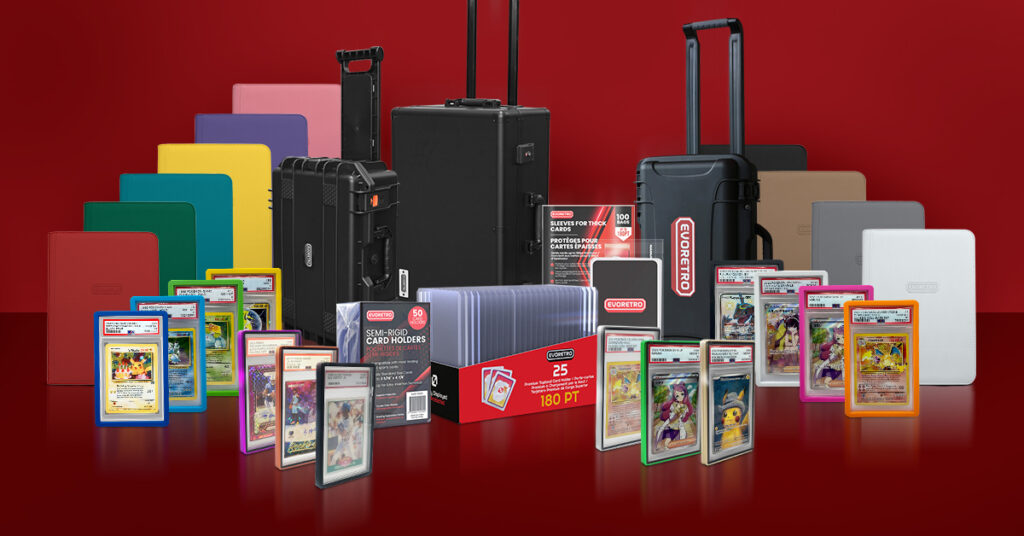
From decking out your gaming setup with authentic retro accessories to finding unique collector items that bring back the magic of your favorite games, EVORETRO has it all. Celebrate your love for Pokémon, classic consoles, and timeless gaming memories by exploring their curated collection at EVORETRO.
Whether you’re a hardcore collector, a casual fan, or someone who simply wants to relive the magic of gaming history, EVORETRO helps you do it in style — blending the past, present, and future of gaming culture.